
Loading...
Serving Hollister, CA and surrounding areas. (831) 245-4724
A crack in your Hollister driveway is an open door for winter water. We clean it out, seal it with rubberized filler, and close that door before the rainy season turns a small problem into a big repair bill.
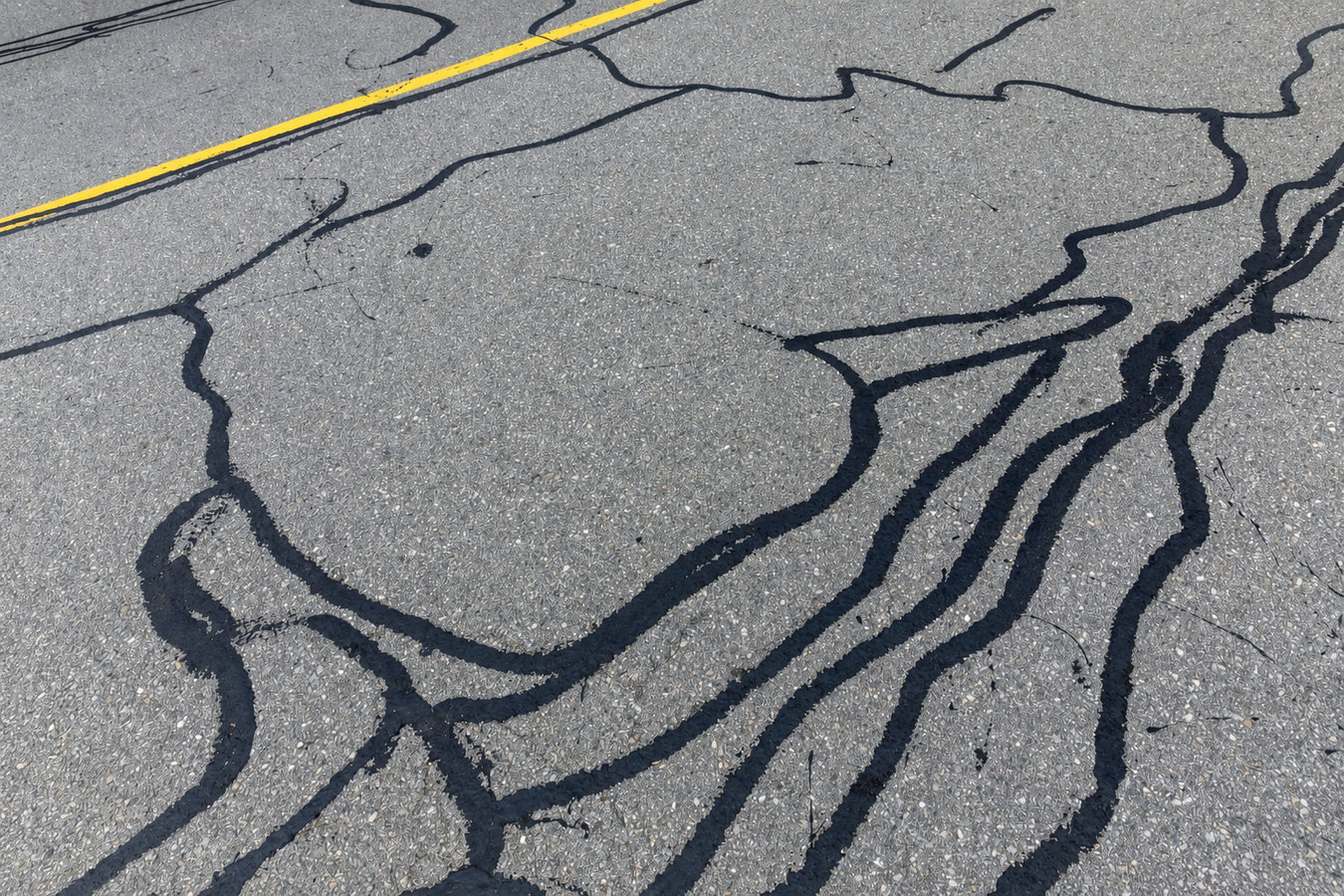
Asphalt crack sealing in Hollister, CA involves cleaning each crack with compressed air or a wire brush and then filling it with a flexible rubberized sealant that bonds to both sides of the crack - most residential driveways are completed in a single visit of a few hours, with vehicle traffic resuming the same day once the sealant cures in Hollister's warm weather.
For Hollister homeowners, crack sealing is the single most cost-effective step you can take to extend the life of your driveway. The San Benito Valley's expansive clay soils guarantee that your asphalt will crack over time - the ground moves, the surface above it follows. What crack sealing does is break the cycle: it stops water from getting under the asphalt during the winter rainy season, which is what turns a manageable surface crack into a base failure.
When cracks have progressed to the point that water has already compromised the base, sealing alone is not enough and a more involved asphalt sealcoating or repair approach is the right next step. We will tell you honestly which situation you have.
If you can see cracks from the curb, they are wide enough to let water in. In Hollister, where winter rains can be heavy, water that enters a crack during the wet season has months to work its way under the surface and weaken the base before you notice the damage on top.
Asphalt cracks do not stay the same size. If you noticed a crack last season and it looks wider or longer now, the clay soil underneath is actively working against your pavement. Sealing it now stops that progression before it becomes a much more expensive repair.
When the edges of your asphalt start to separate from the curb, a walkway, or a garage apron, that is an early sign of base movement. Edge cracking is especially common where Hollister's expansive soils meet a fixed concrete structure, and it is a strong candidate for sealing before the gap grows further.
Oxidized, chalky-looking asphalt is brittle asphalt. When the surface loses its dark color, it is more likely to crack under soil movement and temperature swings. Crack sealing at this stage - combined with a protective sealcoat - can add years to the pavement's life for a fraction of what a new driveway costs.
Our crack sealing work starts with thorough cleaning - compressed air, wire brush, or a heat lance to remove every bit of dirt, vegetation, and loose material from inside the crack. Skipping that step is the most common reason crack repairs fail early, and we do not skip it. Once the crack is clean and dry, we apply the sealant so it fills the void and bonds to both walls. For wider cracks, we slightly overfill and then smooth the surface flush with the surrounding pavement.
When your surface has moved beyond isolated cracks into something more significant, we will connect you to the right service. A full commercial asphalt paving replacement or a broad asphalt sealcoating treatment may be a better fit depending on the overall condition of your surface.
Best for homeowners with isolated cracks on a driveway that is otherwise structurally sound and not yet showing base failure.
Right for the gap that opens between your asphalt and a concrete curb, garage slab, or sidewalk - a flexible sealant handles the movement where two materials meet.
For cracks that run across or along the length of the driveway, typically caused by soil shrinkage or thermal movement - common in Hollister's hot-dry summers.
If you are planning a sealcoat, sealing the cracks first gives the sealcoat a smooth, bonded surface to adhere to and extends the life of both treatments.
Hollister sits on expansive clay soils that swell with every winter rain and shrink back down through the long dry summer. That repeated movement is the dominant reason driveways in the San Benito Valley crack - not freeze-thaw cycles as in colder states, but the slow, relentless heaving and settling of the ground underneath. The Calaveras Fault also runs through this area, and even low-level seismic activity can open or widen existing cracks over time. This means Hollister homeowners often see crack damage develop faster than people in milder or more geologically stable climates. Sealing cracks before summer heat arrives - or in the early fall before the rainy season - is the strategy that protects your investment.
Hollister's long dry season from late spring through early fall is generally the best window for crack sealing work - sealant needs dry conditions and warm temperatures to flow and bond properly. Scheduling before the rains return in late fall is especially important. We serve homeowners and properties across Hollister and the surrounding communities, including San Juan Bautista, where the same clay soil conditions create the same crack patterns every season.
Call or submit a contact form with a brief description of the cracks - number, rough length, and how wide they look. We respond within 1 business day to schedule a look. Most estimates are straightforward once we see the surface in person.
We walk your driveway and evaluate every crack - width, depth, whether it is still moving, and whether the surrounding pavement is sound enough to benefit from sealing. This is also when we tell you honestly if any areas need more than crack sealing alone.
Every crack is cleaned thoroughly before a drop of sealant goes in. We use compressed air or a wire brush to clear dirt and debris, then apply rubberized sealant and smooth it flush with the surrounding surface. A typical residential driveway is done in a few hours.
In Hollister's warm weather, most sealant is ready for vehicle traffic within a few hours. Your contractor will give you the exact window. We also encourage a check after your first rainy season - cracks in active clay soil sometimes need a touch-up after the ground goes through a full wet-dry cycle.
Free estimate, no obligation - we respond within 1 business day.
(831) 245-4724Every crack we seal is fully cleaned before sealant goes in - no cutting corners on the step that actually makes the repair last. Sealant applied over dirt and debris pops out within a season. That is the most common failure mode in crack sealing work, and it is why we treat prep as non-negotiable.
Hollister's expansive clay ground behaves differently from stable soils in most of California. We have worked in this area long enough to understand what causes cracks here - ground movement, not just surface wear - and we set realistic expectations about maintenance cycles in these conditions.
We give you a written description of exactly what will be done - which cracks, what product, what prep steps - before work begins. That scope is what we deliver. If we see anything on the day that changes the picture, we talk to you first rather than adding to your bill without asking.
California requires contractors performing paving and surface work to hold a current state license. You can verify ours through the California Contractors State License Board at cslb.ca.gov before committing to anything. We expect you to check, and we consider it a basic standard of doing business here.
Crack sealing is a small job that has a big effect on how long your pavement lasts. We do it the right way - thorough prep, quality sealant, honest assessment - because we want the repair to still be holding the next time you call us. The National Asphalt Pavement Association outlines industry best practices for crack maintenance that form the basis for how quality work should be done.
When cracking has spread across a full commercial surface, we install a fresh paved lot built to handle traffic, drainage, and Hollister's seismic conditions.
Learn MoreA protective sealcoat applied after cracks are sealed slows UV oxidation and water intrusion, adding years to your pavement without a full replacement.
Learn MoreSealed cracks shed winter water instead of absorbing it - book now and go into the wet season protected.