Loading...
Serving Hollister, CA and surrounding areas. (831) 245-4724
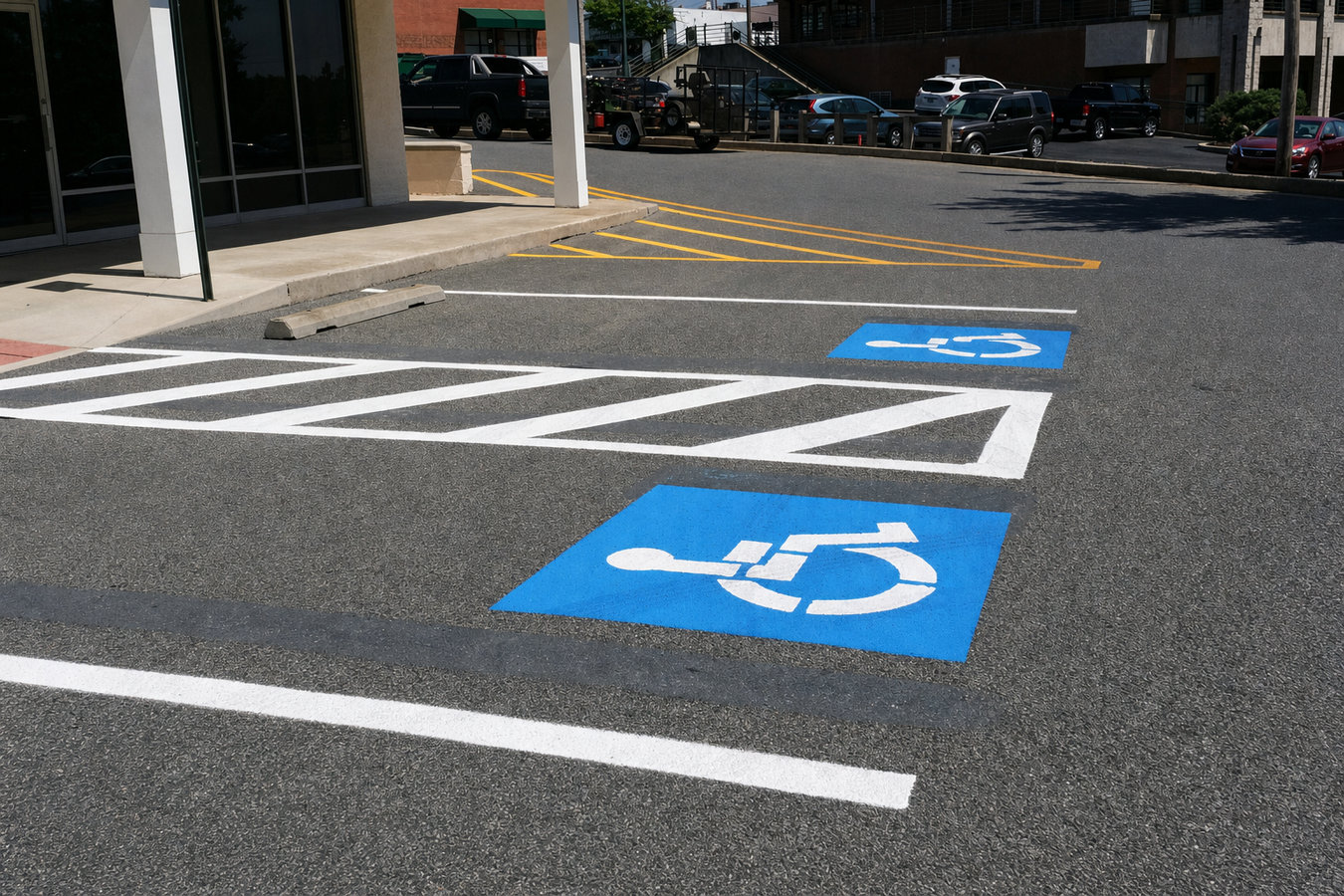
Hollister lots take a beating from intense sun and shifting clay soil. Regular maintenance keeps your surface safe, functional, and years away from a costly replacement.
Parking lot maintenance in Hollister covers crack filling, sealcoating, pothole patching, and line restriping on a recurring schedule rather than all at once. Most lots can be serviced in a single day, with the surface ready to reopen within 24 to 48 hours.
Asphalt is durable, but it is not permanent. Hollister's strong UV exposure oxidizes the surface faster than in cooler climates, and the valley's clay soils shift seasonally, putting pressure on pavement from below. Staying ahead of small problems with regular parking lot maintenance is far cheaper than waiting until the lot needs a full asphalt resurfacing or replacement. If your surface already shows faded markings, pairing maintenance with parking lot striping restores visibility and keeps your lot compliant.
Fresh asphalt is dark and slightly flexible. When it fades to dull gray, the protective binders have oxidized and the surface is becoming fragile. In Hollister's sunny climate, this color shift can happen faster than property owners expect.
Small hairline cracks are normal, but a network spreading in multiple directions, sometimes called alligator cracking, means water is already getting in. Left alone through a rainy season, those cracks grow into potholes that cost significantly more to fix.
Puddles that linger after a winter storm mean drainage is not working correctly. Standing water accelerates surface breakdown and creates slip hazards. This is a common issue in Hollister lots where soil movement has caused subtle low spots to develop over time.
If drivers are guessing where the lines are, the striping needs refreshing. Faded lines can also create compliance concerns for accessible parking spaces, which must meet specific visibility standards under federal and state law.
We handle the full range of recurring lot care. That starts with crack filling to keep water out of the base, sealcoating to slow UV oxidation, and pothole patching to stop localized failures from spreading. Each of those services works together - a crack filled today costs a fraction of the pothole it becomes after one rainy season. For lots with heavier damage, we can coordinate a section-by-section asphalt resurfacing plan that phases work around your operating schedule.
Once the surface is restored, we restripe the lot so driver flow, accessible spaces, and fire lanes are clearly marked. If the base has deteriorated past what surface treatments can fix, we also offer parking lot striping after any paving work is complete. And for lots that need a full rebuild, our commercial asphalt paving team can take the project from demo through finished surface.
Suits lots showing hairline or moderate cracking before water reaches the base layer.
Best for lots with oxidized, gray surfaces that still have a solid foundation underneath.
For lots with localized failures where base damage is limited to specific areas.
Suits any lot where parking lines, accessible spaces, or fire lanes have faded below visibility standards.
For lots with standing water issues that accelerate surface breakdown and create slip hazards.
Scheduled recurring service for property managers who want a single contractor handling all lot upkeep.
Hollister sits in a sunny inland valley with long stretches of strong UV exposure through spring, summer, and fall. That sustained sun oxidizes asphalt faster than in cooler or cloudier California climates, turning surfaces gray and brittle well before the base wears out. Regular sealcoating is especially important here because it acts as sunscreen for the pavement, slowing the oxidation that leads to cracking and surface failure. Property owners in Hollister who stay on a two-to-four-year sealcoating cycle consistently get more years out of their lots than those who treat it reactively.
The valley's clay-rich soils add another layer of complexity. Those soils swell when the winter rains arrive and shrink back during the long dry summer, flexing the pavement base from below and contributing to cracks that would not appear in more geologically stable areas. The Calaveras Fault runs through this area, so some crack patterns reflect ground movement rather than surface wear alone. Contractors who know Hollister recognize the difference and address it correctly. Commercial lots in nearby San Juan Bautista face the same soil conditions and benefit from the same maintenance approach. The best time to schedule maintenance is late spring or early fall, after the rains end and before temperatures drop, giving sealants and fillers the conditions they need to cure properly.
Call or message us to describe your lot and request an estimate. We schedule a visit to walk the surface in person - we need to see the size, the cracks, the drainage, and the existing striping before giving you an accurate price. We reply within one business day.
After the site visit, you receive a written estimate spelling out exactly what work will be done, what materials will be used, and what the timeline looks like. We welcome questions - ask about anything that is not clear before you decide.
In Hollister, timing matters. Sealcoating and crack filling require dry conditions and temperatures warm enough for proper curing. We schedule the work during a dry window and coordinate with you on how to manage lot access during the closure.
The crew cleans the entire surface, treats oil spots, fills cracks, applies sealcoat, patches damaged areas, and restripes once the coat has fully cured. The lot typically reopens 24 to 48 hours after the work is done.
We will walk your surface, explain exactly what it needs, and give you a written quote. No pressure, no surprise charges.
(831) 245-4724Hollister's dry season runs from late spring through early fall - the window when sealcoating and crack filling cure properly. We schedule maintenance around that window and around your business operations so disruption is minimal.
Hollister lots crack differently than lots in more stable areas because the Calaveras Fault and expansive clay soils put pressure on pavement from below. We recognize those crack patterns and address the cause, not just the surface.
Every project comes with a written scope of work, materials list, and warranty. A contractor who puts the job in writing is accountable for what they promised - you have something to point to if the work does not hold up.
California requires paving contractors to hold a valid state contractor's license, which you can verify through the state's online database. We carry liability insurance and workers' compensation on every job, protecting your property throughout the project.
The National Asphalt Pavement Association sets the industry standards we follow, and your contractor's license can be verified any time through the California Contractors State License Board. Knowing the standards and being accountable to them is what separates a maintenance job that holds for years from one that starts failing within a season.
When surface maintenance is no longer enough, resurfacing lays a fresh asphalt layer over your existing base at a fraction of full replacement cost.
Learn MoreCrisp, compliant line markings applied after sealcoating cures to restore driver flow, accessible spaces, and fire lane visibility.
Learn MoreBeat the next rainy season - Hollister lots sealed before fall hold up far better through winter. Call now or request a free written estimate.