
Loading...
Serving Hollister, CA and surrounding areas. (831) 245-4724
A crack or pothole in Hollister does not stay small for long once the rainy season arrives. We fix asphalt damage at the base, not just on the surface, so the repair actually holds through the next wet winter.
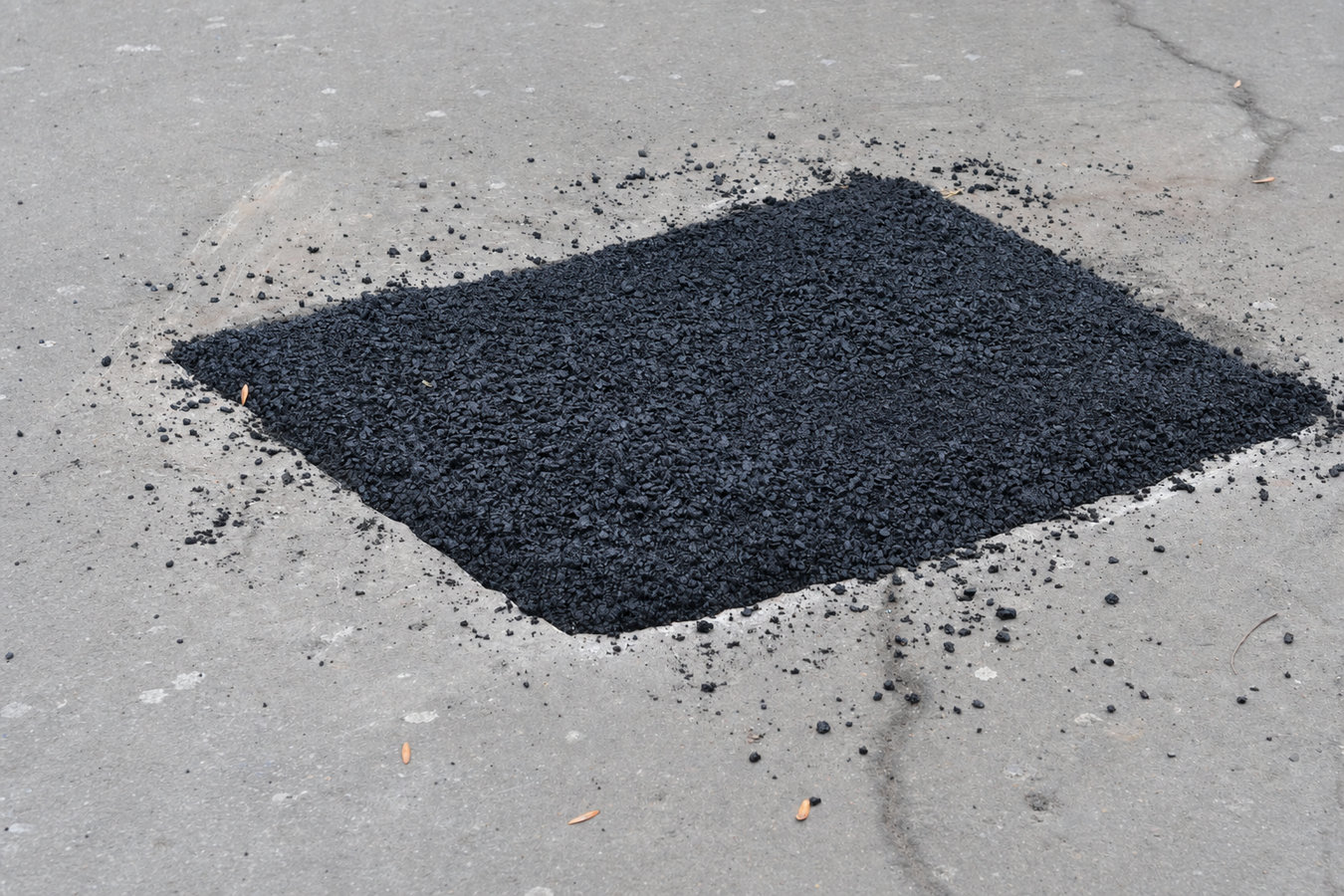
Asphalt driveway repair in Hollister, CA involves cleaning out and sealing cracks, cutting out and replacing damaged sections down to the base, or patching potholes with hot-mix asphalt - most residential jobs are completed in a single crew visit, with curing time before vehicle traffic ranging from a few hours for small patches to a couple of days for larger cut-and-replace repairs.
For Hollister homeowners, the thing that separates a repair that lasts from one that fails again in a season is whether the base gets addressed. The San Benito Valley's expansive clay soils swell when wet and shrink when dry, and that movement is what drives most driveway damage in this area. A contractor who only fills the surface crack without considering what the ground underneath is doing is setting you up for the same problem next winter. The right repair starts with understanding why the damage happened.
For smaller, isolated cracks that have not yet opened into potholes, prompt asphalt crack sealing is one of the most cost-effective things you can do - it keeps water from getting under the surface and turning a minor issue into a major repair.
A crack that was narrow last year and is now wider, or that has started spreading into a web pattern, is progressing. In Hollister's clay soil, cracks grow faster than they would in more stable ground because the soil keeps moving beneath the surface. Catching it now - before it branches further - costs significantly less than waiting until the pavement breaks apart.
If part of your driveway has risen up or sunk down relative to the surrounding surface, the soil underneath has shifted. This is common in the San Benito Valley. An uneven surface catches water, creates a trip hazard, and gets worse with each wet season. A repair that addresses the base - not just the surface - is what this situation calls for.
A pothole means the pavement has broken through entirely and the base is exposed to water and traffic. Crumbling along driveway edges is a similar warning - the asphalt is no longer holding together at its weakest points. Both need to be cut out and properly patched before they spread into the surrounding surface.
If water pools on your driveway after a Hollister winter rain rather than draining off, the surface has developed low spots from soil movement or base settling. Standing water works into any crack and softens the base below, accelerating damage significantly. This is especially worth addressing before the next rainy season arrives.
We handle the full range of asphalt repair work - from filling isolated cracks and patching small potholes to full-depth cut-and-replace repairs where the base has failed. For surface-level cracks that have not yet compromised the pavement structure, asphalt crack sealing is the targeted, cost-effective option. For more extensive damage, we cut clean edges around the affected area, address the base, and pack in fresh hot-mix asphalt in layers until it is flush and compacted.
When the damage is widespread enough that patching no longer makes financial sense, we will tell you honestly and give you a quote for a full repave. That conversation includes a realistic comparison of repair cost versus replacement cost so you can make an informed decision. For driveways where only select areas have failed, targeted pothole repair can restore a safe, functional surface without the expense of a full replacement.
Best for cracks that have not yet opened into full potholes - filling keeps water out and slows the damage cycle at its earliest stage.
Right for localized holes or crumbled sections where the surrounding pavement is still solid and the base damage is contained.
For sections where the base has failed - the damaged area is cut out, the base is rebuilt, and fresh asphalt is compacted flush with the surrounding surface.
For areas that have settled or developed minor depressions that pool water but do not require full-depth base work.
Hollister sits on some of the most active expansive clay soils in California. This ground expands when the winter rains soak in and contracts when the summer heat bakes it dry. That constant shrink-swell movement is the single biggest driver of asphalt damage in this area - cracks, heaving, and base failures here are primarily soil problems, not just wear-and-tear from traffic or age. The Calaveras Fault also runs through the area, and ongoing low-level seismic activity adds another source of ground movement that can open and widen cracks over time. A repair that ignores what the ground is doing will not last through the next rainy season.
The Hollister wet-dry cycle also creates a clear urgency around timing. Cracks that go unsealed heading into November will almost certainly be wider and deeper by March as water infiltrates, the clay swells, and the surface shifts. The late spring through fall window is the right time to do repair work - the ground is dry and stable, and asphalt bonds and cures properly in the warm conditions. We work throughout Hollister and nearby communities including Prunedale, and we understand the specific soil and drainage challenges in this part of California.
Call or submit a contact form - we respond within 1 business day to schedule a site visit. Letting us know what you are seeing (cracks, potholes, uneven spots, water pooling) helps us come prepared, but the in-person assessment is what drives the scope and quote.
We walk the damaged area and evaluate not just what is visible but what is likely happening underneath. In Hollister, a good assessment considers whether the damage is coming from soil movement or base failure - that distinction determines whether a surface patch or a cut-and-replace repair is the right call.
Before any new material goes in, the crew cleans out the damaged area, cuts clean edges around it, and compacts the base if needed. This preparation step is what separates a repair that lasts from one that fails within a season. The area being cut out may look larger than the visible damage - that is intentional.
Cracks are filled with flexible sealant. Potholes and cut-out sections are packed with hot-mix asphalt in layers and compacted until flush. The crew walks the finished repair with you before leaving. In Hollister's summer heat, plan to keep vehicles off a fresh patch for at least a full day, possibly two.
We will look at what is actually happening - surface and base - and give you a straight answer on what your driveway needs, with no pressure to commit.
(831) 245-4724In Hollister's clay-soil conditions, surface-level repairs that ignore the base fail quickly. We evaluate what is happening underneath before recommending a scope of work. A repair that addresses the actual cause of the damage - whether it is soil movement, base failure, or drainage - lasts far longer than one that just fills the visible hole.
The San Benito Valley's expansive clay soils and the Calaveras Fault's ongoing ground movement are facts of life for anyone doing pavement work in this area. We factor both into how we prep and execute repairs. A contractor without local experience may deliver a fine-looking repair that fails by spring simply because they did not account for how the ground moves here.
We put the scope and price in writing before any work begins, and if a full repave makes more financial sense than continued patching, we will tell you plainly - with numbers to back it up. You are not going to get a repair recommendation just because it is the easier sale. Verify any contractor's California license at cslb.ca.gov before signing anything.
Asphalt repair done in the right conditions bonds and cures properly - repair done on wet or cold ground fails faster. We schedule work in the late spring through fall window that Hollister's climate provides, and we will be honest with you if the conditions on a given day are not right for a quality repair.
An asphalt repair done right for Hollister's conditions costs more upfront than a surface-only patch, but it holds through the wet seasons that would undo cheaper work. California's Contractors State License Board makes it straightforward to verify any paving contractor's license status online before you commit - it is a quick step worth taking on any repair job.
The first line of defense against water infiltration - seal surface cracks before they open into structural damage.
Learn MoreTargeted patching for broken-through holes that need proper base compaction and flush hot-mix asphalt to restore a safe surface.
Learn MoreCall or submit a request today and we will be back to you within 1 business day with a free, honest assessment.