Loading...
Serving Hollister, CA and surrounding areas. (831) 245-4724
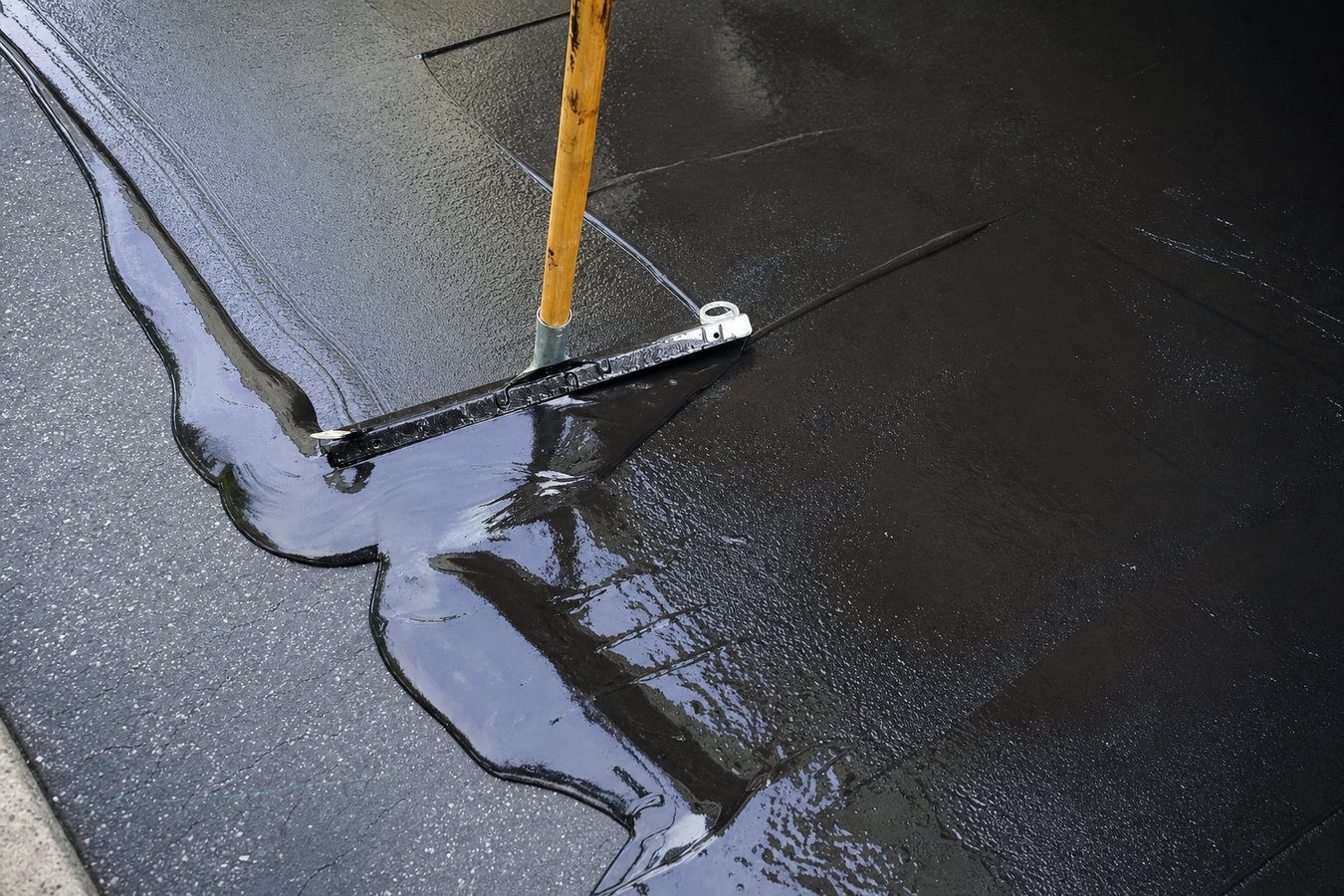
Your driveway or lot looks and performs like new again - without the cost and disruption of tearing everything out. We lay fresh asphalt over your existing base and have most jobs done in a single day.
Asphalt resurfacing in Hollister means laying a fresh layer of new asphalt over your existing surface rather than tearing everything out and starting from scratch. The old surface stays in place as a base, and the new layer bonds on top. Most residential driveways are completed in a single day, with the surface ready for light use within 24 to 48 hours.
Resurfacing works best when the base underneath is still solid and stable. If the foundation has shifted or washed out, a new layer on top will not hold and the cracks will return on the same schedule. A good contractor checks the base before quoting - that assessment is what determines whether resurfacing is the right call or whether a section needs to be rebuilt first. For lots with recurring localized failures, combining resurfacing with pothole repair addresses both the surface and the spots where water has already reached the base. For surfaces where the binders are still intact but oxidized, pairing the job with asphalt milling creates a better bond for the new layer.
A network of fine cracks spreading across the asphalt - sometimes called alligator cracking - means the surface layer has aged past the point where crack-filling alone will help. In Hollister, this pattern often develops faster because the clay soil underneath shifts seasonally, flexing the pavement repeatedly.
Low spots that collect water after a winter rain are a warning sign. Standing water works into cracks, softens the base, and accelerates the breakdown of the asphalt above it. Given Hollister's concentrated rainy season, a surface that does not drain properly takes a beating every winter.
Fresh asphalt is dark and smooth. As it ages, it oxidizes to a lighter gray and the surface texture becomes rough and brittle. A surface that looks faded and feels gritty underfoot has lost the oils that hold it together and is more vulnerable to cracking. Resurfacing at this stage costs far less than waiting until the deterioration goes deeper.
If you have had cracks filled once or twice and they keep reopening in the same spots, the surface layer itself is failing. Repeated crack-filling is a short-term patch on a long-term problem. Resurfacing replaces the worn layer entirely and gives you a fresh start rather than another cycle of repairs.
Every resurfacing job starts with a base assessment - we walk the surface and probe for soft spots before any quote goes out. If the base is solid, we apply a tack coat over the cleaned existing surface and lay compacted hot-mix asphalt to restore a smooth, even finish. For driveways or lots where certain sections have failed completely, we perform targeted pothole repair and base rebuilding in those areas before the new layer goes down - so the resurfaced result is uniform from edge to edge.
For surfaces where the old layer needs to be partially removed to create a proper bond, we offer asphalt milling as a preparation step. This is particularly useful when grade or thickness requirements need to be maintained precisely. Once resurfacing is complete, we also provide guidance on when to schedule your first seal coat - typically after the new surface has had several months to cure - which protects the investment from Hollister's UV exposure and extends the life of the new layer significantly.
Best for homeowners with surface cracking, fading, or roughness over a base that is still structurally sound.
Suits property managers who need a cost-effective surface restoration without closing the entire lot for a full replacement.
For areas where water has already reached the base layer and the foundation needs stabilizing before a new surface will hold.
When the old surface must be removed to maintain grade or create a better bond for the new asphalt layer.
For driveways or lots with crumbling edges that need to be rebuilt before the new surface layer is applied.
Scheduling guidance and follow-up sealcoating after the new surface has fully cured, typically six or more months out.
Hollister's clay-heavy valley soils are the single biggest driver of asphalt deterioration in this area. Those soils expand when the winter rains come in and shrink back during the long dry summer, flexing the pavement base from below year after year. This is a different mechanism than the freeze-thaw damage you see in colder climates, but the crack patterns look similar. Before resurfacing, a contractor needs to assess whether the base has been pushed around by soil movement - resurfacing alone over a disrupted base will not hold. Homeowners in Hollister who had resurfacing done by contractors unfamiliar with local conditions often find the same cracks returning within a season or two.
The Calaveras Fault adds another layer of complexity: slow fault creep and occasional ground movement can stress pavement in ways that a standard base assessment would not catch unless the contractor knows what to look for. Hollister summers are also reliably hot, with temperatures regularly climbing into the 90s, which means freshly laid asphalt stays soft longer and requires extra care during the curing period. Spring and fall are the best windows for resurfacing work here. Property owners in Gonzales face similar soil and seasonal conditions and benefit from the same timing and base-first approach. Scheduling a few weeks ahead of your preferred window is the best way to lock in a spring or fall slot before the calendar fills.
Call or contact us to describe your driveway or lot and its current condition. We schedule a visit to walk the surface and check the base in person - the condition of the base affects the price and determines whether resurfacing is the right move. We respond within one business day.
If a permit is required for your project, we handle pulling it and confirm this before you sign anything. Once permits are in order - or confirmed unnecessary - you get a scheduled date and we coordinate access. Plan to have vehicles moved off the driveway the night before.
The crew cleans the existing surface, makes any edge repairs, and applies a tack coat so the new asphalt bonds properly. The paving machine lays the fresh material and a roller compacts it to the right density. Most residential driveways are completed in a single day.
Stay off the surface for at least 24 hours after the crew leaves. In Hollister's summer heat, avoid repeated parking in the same spot for the first week. Your contractor will give you specific guidance based on the season and conditions on the day of the job.
We check the base before we quote, give you a written estimate with full scope, and schedule around your season. No surprises and no pressure.
(831) 245-4724In Hollister's clay-soil environment, skipping the base check is the most common reason a resurfacing job fails early. We physically walk every surface and probe for soft spots before we quote - because resurfacing over a compromised base just pushes a bigger problem down the road.
The Calaveras Fault and Hollister's expansive clay soils cause crack patterns that differ from more stable areas. We recognize when cracking reflects ground movement rather than surface wear alone, and we address it accordingly before the new layer goes down.
A resurfaced driveway that does not drain correctly will deteriorate faster than the surface it replaced. We build proper drainage slope into every job so Hollister's winter rains run off the surface rather than sitting and working into cracks.
Every quote spells out base repairs, edge work, the thickness of the new layer, materials, and timeline. You know exactly what you are getting before any work starts, and the warranty is in writing so you have something to point to if the work does not hold.
California paving contractors must hold a valid state license, which you can verify before hiring through the California Contractors State License Board. Industry best practices for resurfacing, including tack coat application and compaction standards, are maintained by the National Asphalt Pavement Association. A contractor who follows those standards and puts the work in writing is the one whose job holds up through Hollister's seasonal swings.
Targeted base and surface repair for localized failures before or alongside a resurfacing project.
Learn MoreOld surface removal to the correct depth when grade requirements or bonding conditions call for preparation before new asphalt is laid.
Learn MoreHollister's best paving windows go quickly. Call today or request a free written estimate and secure your spot before the season fills up.