Loading...
Serving Hollister, CA and surrounding areas. (831) 245-4724
Patches that keep failing and cracks that keep spreading are a sign the surface layer is done. Milling removes it cleanly so the new asphalt bonds to something solid - not the same crumbling base that caused the problem in the first place.
Asphalt milling in Hollister is the process of grinding down the top layer of an existing paved surface using a machine with a rotating drum of steel teeth - the old material is chewed up and removed, leaving a clean, textured base ready for fresh asphalt, and most residential driveway jobs take one to two days from milling through overlay.
If you have been filling the same cracks year after year, or if low spots keep collecting water after every rain, there is a good chance the surface layer has reached the end of its useful life. The problem is not just the surface - it is that the worn material underneath provides a poor bond for anything laid on top of it. Milling removes that barrier entirely.
Milling is often paired with asphalt resurfacing as a complete driveway or parking area renewal. When the base is still solid, milling and a fresh overlay is almost always more cost-effective than a full tear-out and replacement - and the old material is recycled back into new asphalt mix, giving it a second life rather than sending it to a landfill.
When cracks cover most of your driveway or parking area rather than appearing in isolated patches, the surface layer itself has broken down. Filling individual cracks no longer makes sense at that point - milling off the old surface and starting fresh is the more cost-effective path.
Asphalt baked by Hollister's summer heat eventually loses the fine material that holds the surface together, leaving a rough, crumbling texture. This raveling is a clear sign the surface layer is spent and needs to be removed and replaced rather than patched.
Low spots and depressions that collect water are a sign the surface has settled unevenly, often due to the expansive clay soils common in the San Benito Valley. Milling allows the contractor to re-establish a consistent grade before laying new asphalt so water drains properly.
If you have patched the same areas more than once and the repairs keep cracking or popping out, the surface layer has deteriorated past the point where patches hold. Milling removes the problem layer entirely, giving new asphalt a clean, uniform surface to bond to.
We handle residential driveways, private roads, and commercial parking areas. Every milling job starts with a base assessment - if the ground beneath the existing asphalt has shifted or softened, we find it before the new layer goes down rather than after. For properties where the surface has been overlaid multiple times and the elevation is now too high at garage thresholds or curb edges, milling restores the correct clearance before resurfacing. You can also combine this work with drainage solutions if water management is part of the problem.
The milled material is hauled away for recycling - it has real value as reclaimed asphalt pavement and goes back into new mix rather than a landfill. After milling, we spread and compact a hot-mix asphalt overlay and feather the edges where the new surface meets existing pavement, curbs, or aprons. We check depth and grade before the overlay covers it - you can see the work at that stage and ask questions.
Homeowners whose driveways show widespread cracking, raveling, or drainage problems that patches can no longer fix.
Commercial and agricultural properties with large paved surfaces that need a consistent grade restored before resurfacing.
Properties where multiple overlay layers have raised the pavement too high at garage thresholds, curb edges, or drainage inlets.
Surfaces where the base beneath the pavement has shifted or softened - base issues are found and fixed before the new layer goes down.
Hollister sits in the San Benito Valley at the edge of the Diablo Range, where summers are consistently hot and sunny. Prolonged UV exposure and surface temperatures that climb well above the air temperature cause asphalt binders to oxidize and become brittle over time - driveways and parking areas here tend to develop surface cracking and raveling faster than they would in cooler coastal climates. The expansive clay soils compound this by pushing and pulling at pavement from below with every wet-to-dry seasonal cycle. Milling before a fresh overlay addresses both problems at once: the deteriorated surface is removed and the base is assessed before anything new goes down.
For the best results, most paving contractors in the region prefer to schedule milling and overlay work in the dry months - spring through early fall. We work across the area, from established properties in Hollister to rural driveways and agricultural parcels near Tres Pinos. For rural and agricultural properties with long driveways, we plan equipment access in advance to avoid issues with clearance or county road coordination.
Describe your surface - its size, current condition, and any drainage concerns. We reply within one business day and schedule a free on-site visit to measure and assess the base.
We walk the surface with you and check whether the base beneath is solid or needs repair before milling starts. In Hollister, where clay soils cause uneven settling, this step matters - skipping it is a red flag.
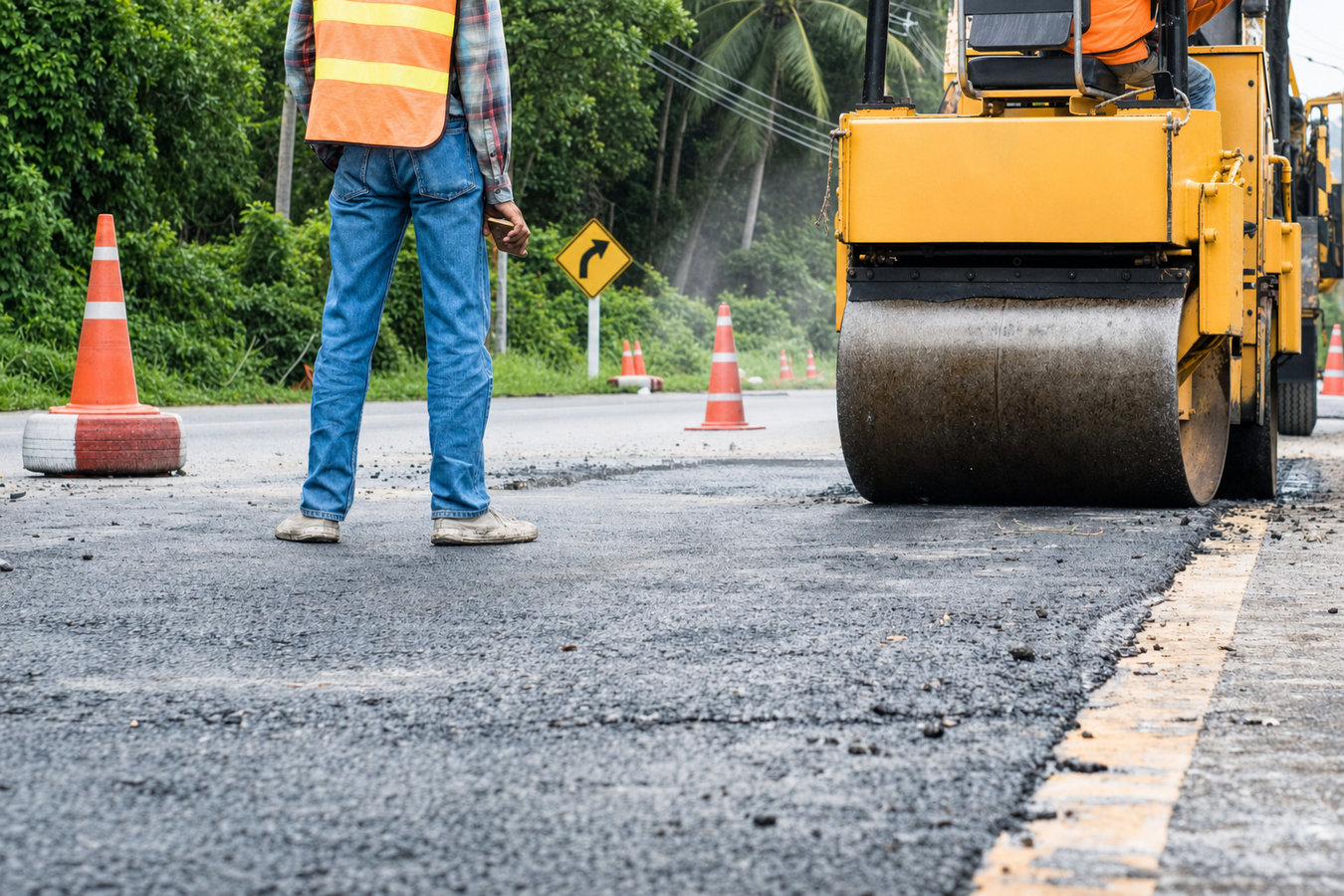
The milling machine grinds down the surface to the agreed depth. Workers clean up the milled material, which is loaded and hauled away for recycling. You are left with a rough, textured base ready for the overlay.
Fresh hot-mix asphalt is spread and compacted over the milled surface. Edges are feathered to meet existing pavement or curbs. Most driveways are driveable within a few hours of the overlay being placed.
We walk your property, check the base, and give you a straight answer - even if that answer is that you do not need us yet.
(831) 245-4724We assess the base beneath your existing pavement before any work begins. Hollister's clay soils cause soft spots that look fine from the surface but will crack new asphalt quickly if left unaddressed. We find them and fix them - not after the overlay fails.
Good milling work is cut to a consistent depth across the whole area, with clean, straight edges at the boundaries. We check the depth before the overlay goes down and do not rush past that step. You can see the work before the new surface covers it.
The ground-up asphalt from your driveway has real value as reclaimed asphalt pavement. It is hauled away and recycled back into new mix - which is part of why milling is more cost-effective than a full tear-out. You are not paying to landfill your old pavement.
We hold a current California contractor's license - verifiable through the state's licensing board in a few minutes. More than that, we have worked in San Benito County long enough to know how Hollister's heat and clay soils affect pavement differently than coastal or cooler-climate areas.
You can verify our California contractor license online through the CSLB website before you sign anything. For industry standards on reclaimed asphalt pavement and milling best practices, the National Asphalt Pavement Association is a reliable reference.
Address standing water and runoff problems at the surface and subsurface level before or after paving.
Learn MoreWhen the base is still solid, overlay an existing surface to restore its appearance and extend its life.
Learn MoreWe are booking spring and summer slots now - lock in your date before the busy season fills up.