Loading...
Serving Hollister, CA and surrounding areas. (831) 245-4724
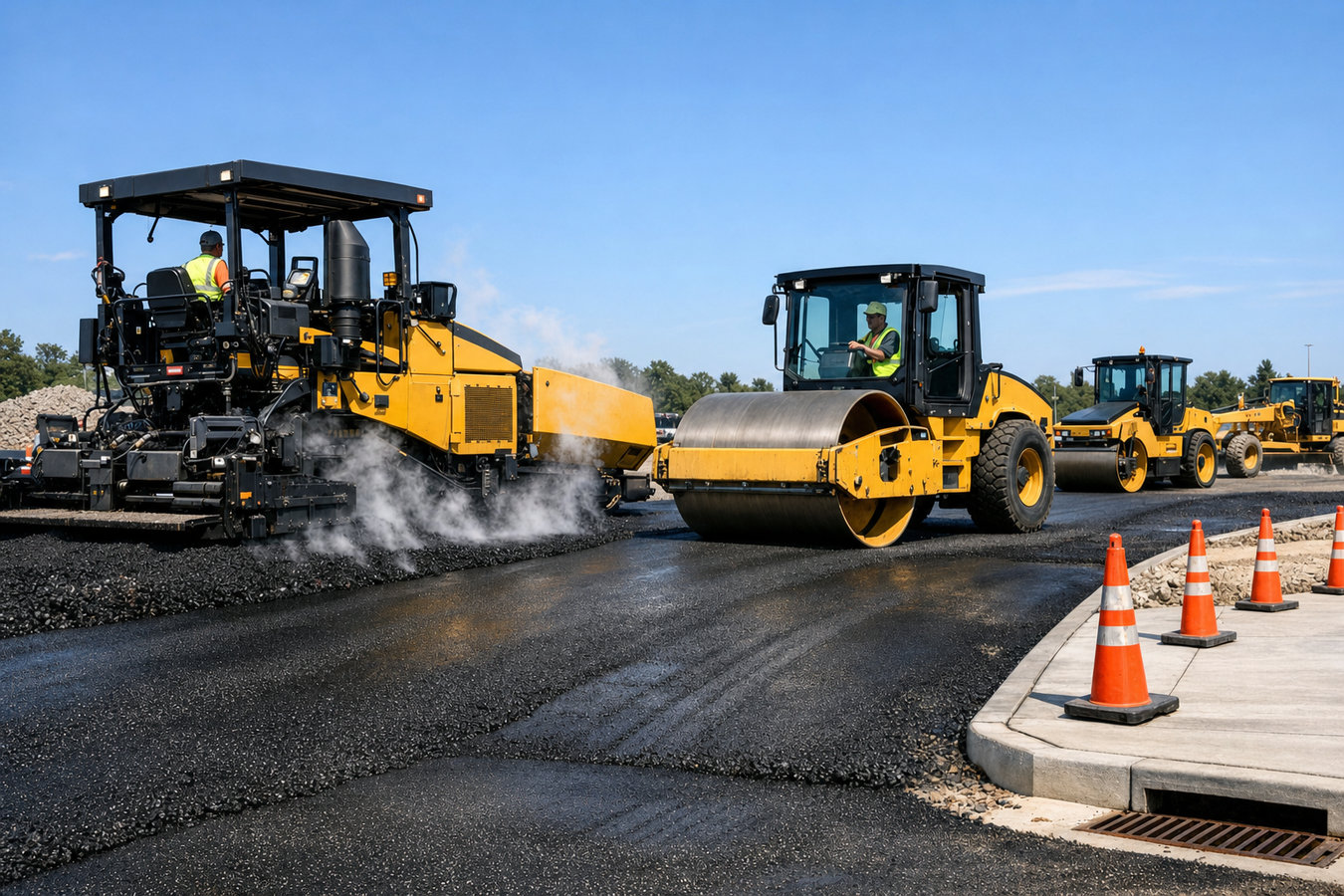
Meridian Hollister Asphalt Paving brings asphalt paving, commercial lot work, driveway installation, and crack sealing to Watsonville and the Pajaro Valley. We have served this region since 2016 and understand the clay soils and marine moisture that make paving here different from inland areas.
Every service below addresses the specific conditions Watsonville properties face - coastal moisture, Pajaro Valley clay soils, and the wet-dry cycle that stresses pavement year after year.
Watsonville has a mix of light industrial, food-processing, and retail commercial properties along Highway 1 and Freedom Boulevard that take heavy daily vehicle loads on Pajaro Valley clay soils. Our commercial asphalt paving work specifies base depth and drainage to handle both the truck traffic and the seasonal ground movement these sites face.
Watsonville sits directly on Monterey Bay, and the salt air and marine moisture here oxidize asphalt binder faster than the inland rate. Sealcoating every three to five years puts a fresh protective layer over the surface before the coastal environment can break the binder down to the point where large-scale cracking starts.
Many Watsonville homes in the older neighborhoods near downtown were built in the mid-20th century, and driveways on those lots are often at or past their useful life. A new asphalt driveway sized for Pajaro Valley clay soil conditions gives you a stable, durable surface that handles the seasonal wet-dry movement the valley produces every year.
Watsonville gets 20 to 30 inches of rain most winters, and that water finds every unsealed crack in your pavement. Once moisture gets into the base layer, it softens the sub-base and the cracking accelerates. Sealing cracks before the rainy season is the single most cost-effective maintenance task for any paved surface here.
Watsonville sits on flat Pajaro Valley terrain, and the clay-heavy soils drain slowly. Properties near the Pajaro River or in low-lying parts of the city are especially prone to standing water after heavy rain. Good drainage design - whether channel drains, catch basins, or regrading - protects both your pavement and the structures around it.
Potholes in Watsonville typically trace back to water that got under the surface through a crack and then softened the base during a wet winter. A lasting repair addresses the base failure, not just the surface hole - otherwise the same spot opens up again after the next rain season.
The Pajaro Valley sits on deep alluvial soils with a high clay content - the same rich, heavy soils that make this one of California's most productive farming areas. Clay soil expands when it absorbs winter rain and contracts as it dries out over the summer. That seasonal movement puts steady upward and lateral pressure on concrete and asphalt from below. A contractor who does not account for this in base preparation is installing a surface that will crack sooner than it should. The USGS maps the expansive soil zones across California coastal valleys, and the Pajaro Valley is well within them.
Watsonville also faces conditions that most inland California cities do not. Sitting directly on Monterey Bay means the city gets persistent marine layer fog, salt air, and year-round coastal moisture. That combination attacks asphalt binder and concrete surfaces in ways UV and heat do not - oxidation is faster, and surfaces that are never fully dry stay softer and more vulnerable to traffic wear. Add Watsonville's wet winters, with 20 to 30 inches of annual rainfall on slow-draining clay terrain, and you have a pavement environment that rewards proper installation and punishes shortcuts in base depth and surface sealing.
Our crew works throughout Watsonville regularly, and we understand the local conditions that affect asphalt paving work here. The city has two distinct types of residential stock: older wood-frame and stucco homes in the core neighborhoods near downtown Main Street, many of them built between the 1920s and 1960s, and newer tract subdivisions that spread out on the eastern and southern edges of the city from the 1980s onward. The older properties often have driveways that are well past their lifespan, and the newer subdivisions are now old enough that resurfacing and base repairs are coming due. You can review project permit requirements through the City of Watsonville Community Development Department.
Highway 1 and Freedom Boulevard are the main corridors through the city and connect Watsonville to both Santa Cruz to the north and Monterey to the south. The Watsonville Municipal Airport anchors the south side of town, and the older commercial and light-industrial strips along the airport corridor see regular commercial paving work. We serve all of Watsonville and also cover nearby Gilroy to the north, where agricultural-edge properties and growing suburban neighborhoods face similar clay-soil paving challenges. We also work throughout Salinas and the broader Monterey Bay corridor.
Reach us by phone or through the estimate form on this page. We return all Watsonville inquiries within one business day, and most calls get a same-day response.
We visit your property to check the existing base condition, measure the area, and discuss your options in plain language. The estimate is free, includes a written price, and does not obligate you to anything.
We confirm the schedule, handle any permit requirements, and complete the work with minimal disruption. Most residential driveways in Watsonville are done in one to two days depending on scope.
After the job is complete, we walk the finished surface with you and answer any curing or maintenance questions. We follow up after the first rain season to make sure everything held as expected.
We serve all of Watsonville and the Pajaro Valley. No obligation, no pressure - just a clear written price for your project.
(831) 245-4724Watsonville is the Pajaro Valley's main city, sitting about 15 miles south of Santa Cruz and 25 miles north of Monterey on the southern end of Monterey Bay. The city has a population of around 50,000 to 55,000 and is the second-largest city in Santa Cruz County. Downtown Watsonville is centered on Main Street, with older brick and masonry commercial buildings that date to the early 20th century. Driscoll's, one of the largest berry companies in the world, is headquartered here, reflecting the valley's identity as one of California's most productive agricultural areas. Nearby communities served by our team include Prunedale and Aromas to the east.
The city has a mix of older housing in its historic core and newer subdivisions on the eastern and southern edges built in the 1980s through the 2000s. The northern edge of the city borders the Pajaro River, and flood risk in low-lying areas has been an ongoing concern for residents. Housing ranges from smaller craftsman bungalows and wood-frame homes near downtown to the stucco tract homes typical of late-20th-century California suburban development. The city has a significant share of both owner-occupied homes and rental properties, reflecting its working-class agricultural workforce population and the stable homeownership of corrections employees and other long-term residents.
Protect your pavement and extend its lifespan with professional sealcoating.
Learn MoreKeep your parking lot safe and compliant with crisp, durable line striping.
Learn MoreFull-service parking lot paving for commercial and industrial properties.
Learn MoreHeavy-duty commercial paving solutions for businesses and institutions.
Learn MoreDurable concrete curbs and sidewalks that define and protect your property.
Learn MoreEngineered drainage systems that protect your pavement from water damage.
Learn MoreCustom speed bump installation for safer parking lots and private roads.
Learn MoreCall us today for a free on-site estimate. Watsonville projects typically get a same-day response, and we can usually schedule your assessment within the week.